


Sky Watch 2026: The Ultimate Guide to August’s Solar Eclipse
The Ultimate Guide to August’s Solar Eclipse
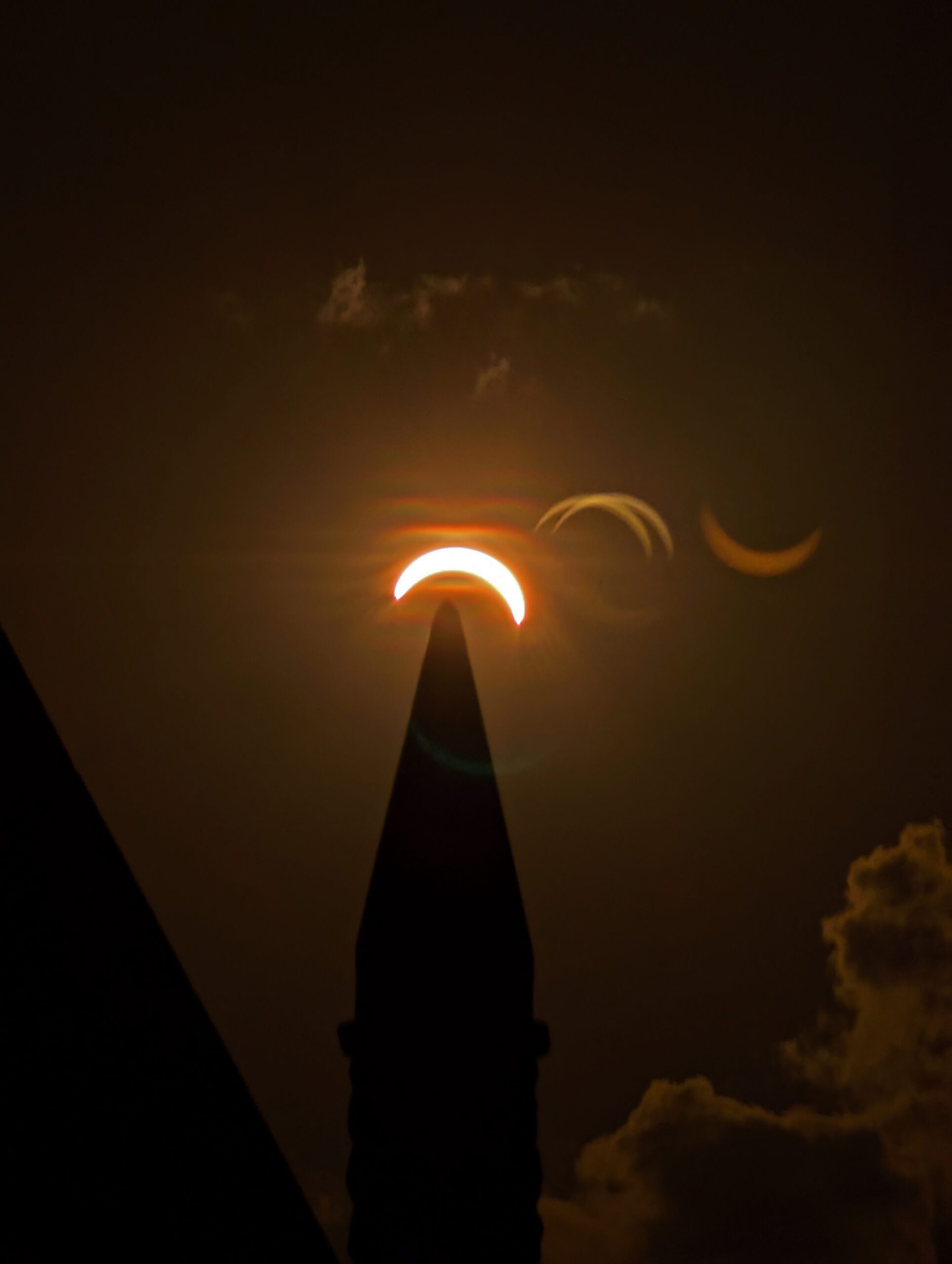
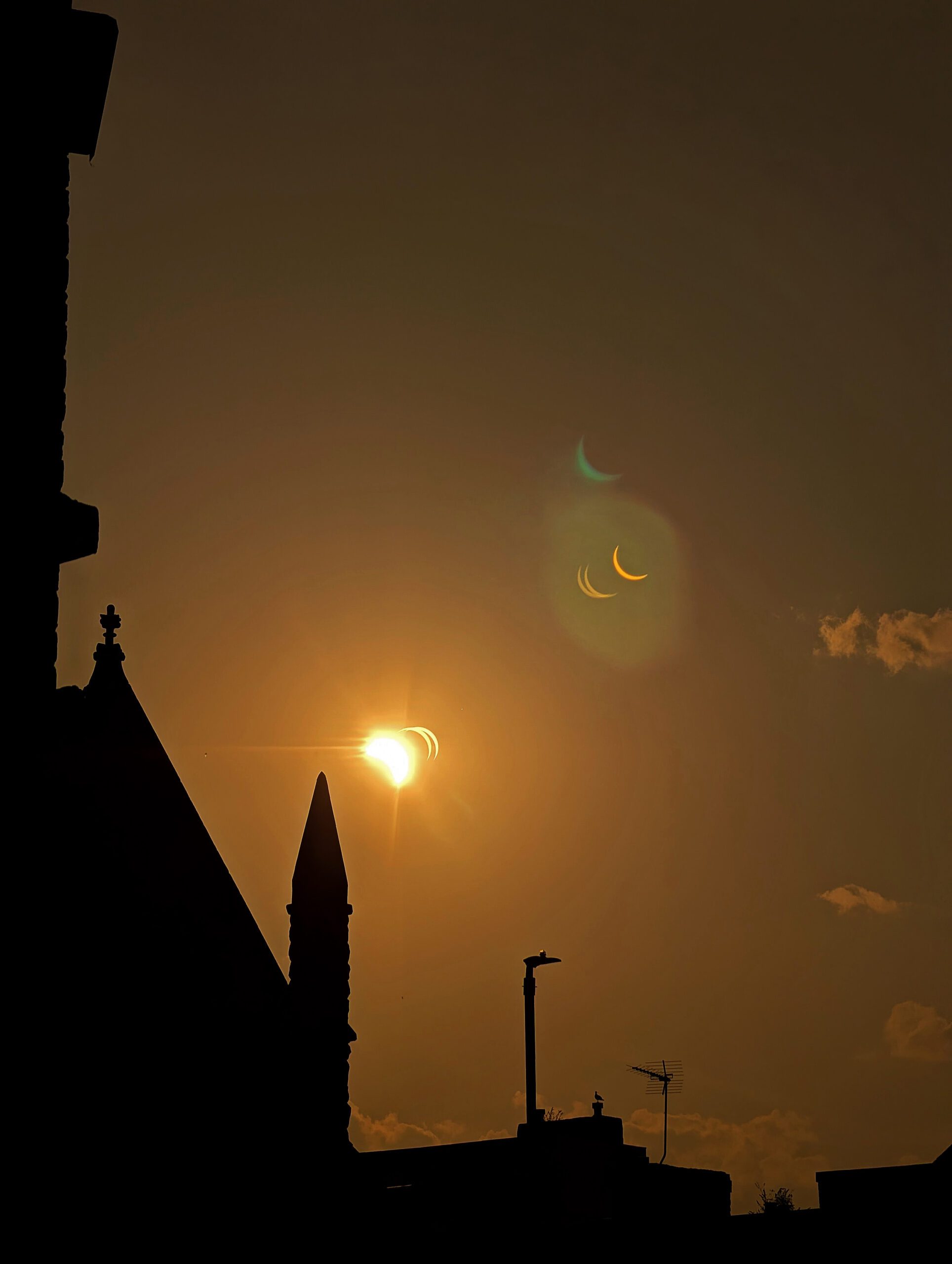
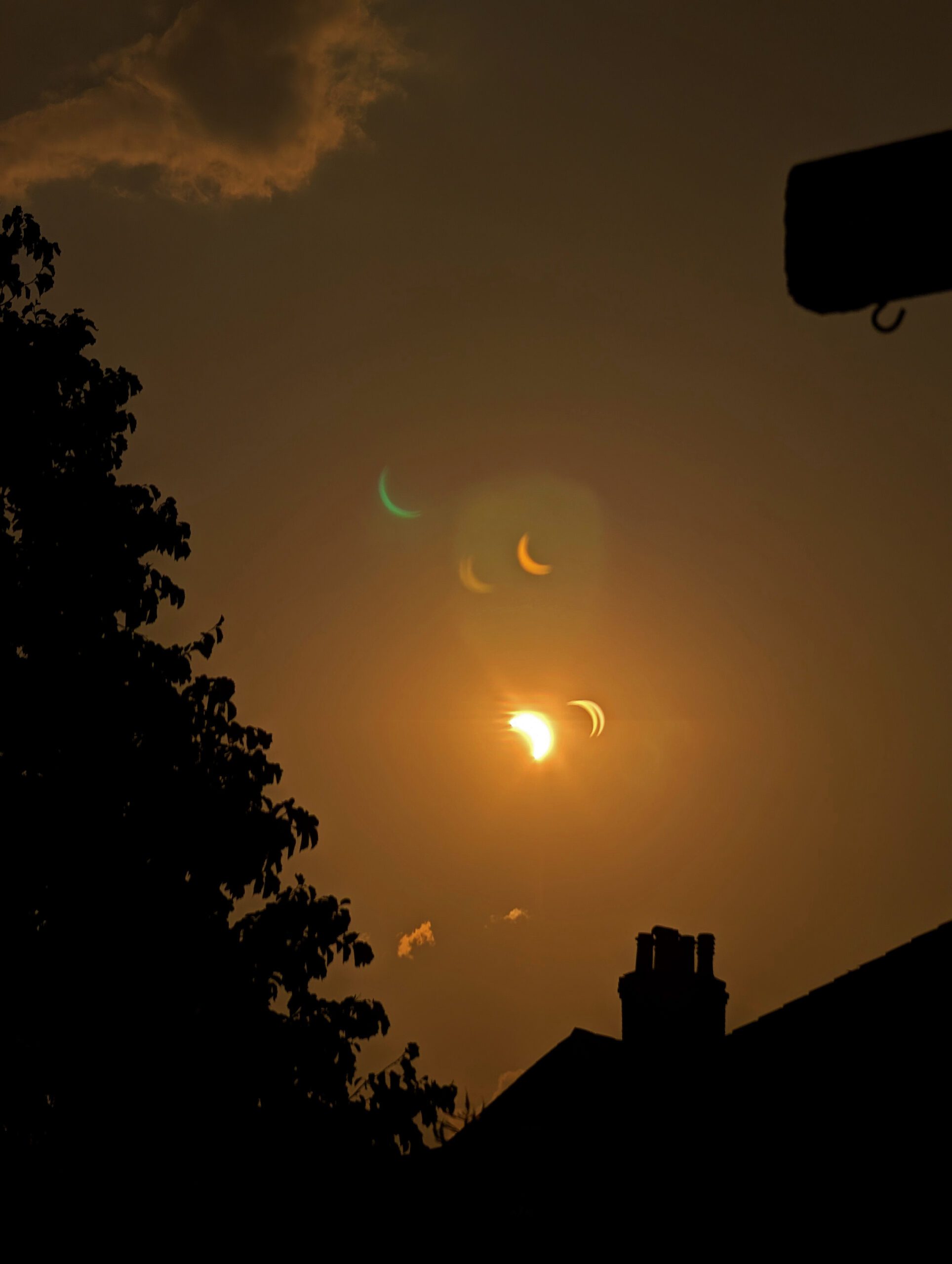
Mark your calendars for Wednesday, 12 August 2026, when the UK will experience one of the most dramatic astronomical events of the decade. The Moon will pass directly between the Sun and Earth, delivering a breathtaking solar eclipse across the sky.
Whether you’re an avid stargazer or simply keen to catch a rare view of the cosmos, here is everything you need to know about when it happens, where to see it, and how to enjoy it safely.
When Is the Eclipse?
The event takes place on the evening of Wednesday, 12 August 2026. Because it unfolds during the early evening, viewers across the UK will witness the Moon taking a massive crescent-shaped bite out of the Sun as it dips towards the western horizon.
Key Timings for the UK (BST)
Partial Eclipse Begins: Shortly after 18:10 (around 6:13 pm)
Maximum Eclipse (Peak): Approximately 19:10 (7:10 pm)
Partial Eclipse Ends: Around 20:04 (8:04 pm)
The entire spectacle lasts roughly two hours, offering plenty of time to take in the celestial view.
Where Will It Be Visible From?
The View Across the UK
While the narrow path of totality (where the Moon completely blocks the Sun) tracks across Greenland, Iceland, and Spain, the entire UK will witness an unusually deep partial eclipse.
Coverage: Over 90% to 95% of the solar disc will be obscured across mainland Britain. Across the Midlands, North West, and Wales, coverage will hover between 91% and 93%, with the highest coverage reaching up to 96% in the far South West.
Horizon View: At the peak moment (around 7:10 pm), the Sun will sit relatively low in the sky, about 10° to 15° above the horizon. To get the best view, seek out an open, elevated spot or clear ground facing west to west-northwest with no tall buildings or trees blocking your line of sight.
A Cosmic Double Whammy: The Perseid Meteor Shower
The eclipse isn’t the only show in the sky that evening. August 12 also coincides with the annual peak of the Perseid meteor shower. Once the Sun sets and twilight deepens into full darkness, step outside away from artificial lights for a chance to spot bright shooting stars sweeping across the night sky.
How to View the Eclipse Safely
Never look directly at the Sun with the naked eye, even when 90%+ of it is covered. Standard sunglasses are not sufficient.
Use certified eclipse glasses (ISO 12312-2 standard) to protect your eyes during all partial phases.
Indirect viewing: If you don’t have specialist glasses, you can project the Sun’s silhouette onto a card using a simple colander or a pinhole projector.
Camera Safety: Do not look through cameras, binoculars, or telescopes without fitting dedicated solar filters to the front lens beforehand.
Share this article:
Support Invest in Oswestry
If our platform has helped promote your business, helped you discover a great local spot, or kept you in the loop with what’s happening in Oswestry, buying us a coffee is a brilliant, hassle-free way to show your support and back our work!
Latest News
CBeebies Panto ‘Treasure Island’ Lands at Maona Cinema
Families are set to embark on a high-seas Christmas adventure this December as Maona Cinema partners with Invest in Oswestry...
Read MoreOswestry Illuminated Tractor Run 2026

Find all the essential details, including the 38-mile route through local villages, live tracking links, market timings, and how you...
Read MoreBacking Gillhams’ Expansion Plans

If you would like to support Gillhams’ plans to grow, create local jobs, and revitalise Church Street, please review the...
Read More


