
The Open Doors Roadmap: Transforming Empty Spaces into Independent Success
A Step-by-Step Guide to Rates, Permits, Overheads, and Flexible Spaces
Tap the buttons above to jump to the content.
The Open Doors Roadmap: Transforming Empty Spaces into Independent Success
Opening a brick-and-mortar business or investing in a town centre storefront should be an exciting milestone, not a battle against an avalanche of institutional PDFs. Yet, the biggest barrier for many independent entrepreneurs isn’t a lack of vision, it’s navigating the dense maze of local authority applications, licensing frameworks, and financial overheads.
To level the playing field, we are building a definitive, step-by-step gateway directly into Oswestry’s economy. Whether you are an established investor looking to activate a prominent town centre footprint or a local maker ready to test the physical high street for the first time, this is your practical roadmap to getting your doors open.
Navigating the Local System: The "Setting Up Shop" Hub
Before you order signage or sign a commercial lease, you need to understand the local regulatory framework. Instead of hunting through nested council menus, here are the core pathways to legal and financial compliance in Shropshire.
Planning & Change of Use
If you are moving into an empty shop, you must ensure your business aligns with the property’s legal use class. Most high street operations, including retail shops, cafés, and professional services, fall under Class E (Commercial, Business, and Service).
The Rule: Generally, moving between uses within Class E does not require a formal change of use application. However, if your business requires structural external alterations, or if you are converting a space into a hot food takeaway or pub, formal planning permission is essential.
Conservation Status: Because much of our historic town centre lies within a conservation area, checking a property’s listed building status is critical before altering the facade. You can verify requirements or seek pre-application guidance directly through the Shropshire Council Planning Portal.
Small Business Rates Relief
Commercial property taxes can heavily impact a startup’s early cash flow, making Small Business Rates Relief (SBRR) one of the most powerful financial incentives available to small independents. In Shropshire, the relief is determined by your property’s official rateable value:
Rateable Value of £12,000 or less: You receive 100% relief, reducing your business rates bill to exactly £0.
Rateable Value between £12,001 and £15,000: The discount reduces on a gradual sliding scale of roughly 1% for every £30 increase in value.
Rateable Value between £15,001 and £50,999: Your bill is automatically calculated using the lower small business multiplier, keeping standard costs minimized.
Note: Relief isn’t applied automatically to new commercial tenancies. Once your lease is active, you must submit a formal request via the Shropshire Council Small Business Rate Relief Application.
Licensing & Permits
Operating legally on the high street often means securing specific trading permissions based on your sector:
Pavement Licences: If you manage a café or hospitality venue and want to introduce outdoor seating, or if you are a retailer wishing to display goods outside your shop frontage, you must secure a pavement licence. This ensures pedestrian pathways remain clear and accessible. You can download the application documents directly via the Shropshire Council Pavement Licence Hub.
Food Business Registration: If your business stores, prepares, cooks, or sells food and drink, you are legally required to register your premises. Registration is entirely free but must be completed at least 28 days before opening to trigger a routine environmental health inspection. Applications can be submitted securely online through the Gov.uk Food Premises Registration Portal.
Alcohol Licensing: Selling alcohol or providing live music requires navigating the Licensing Act. You will need to apply for a permanent Premises Licence for the building, and ensure at least one designated manager holds a Personal Licence.
Local Funding & Grants
Capital support changes regularly throughout the financial year. Funding options, ranging from remaining allocations of the UK Shared Prosperity Fund (UKSPF) to localized capital expansion and energy efficiency grants, are vital tools for incoming businesses. Rather than letting these opportunities sit hidden on official noticeboards, we maintain an active tracker of live funding windows to help independents offset their initial capital expenditure.
Market Sizing & Baseline Overheads: The Smarter Explorer Tool
When analysing a town’s commercial viability, big institutional investors rely on expensive, proprietary data streams to calculate risk. Independent businesses rarely have that luxury. To bridge this information gap, we have compiled the core economic benchmarks and fixed operational constants right here, allowing prospective shop owners to stress-test their baseline costs openly and transparently.
Instead of tracking unpredictable, short-term footfall spikes, we focus strictly on the structural economic foundation of the local area:
The Catchment Core: Our baseline economic calculations leverage a definitive, regional catchment figure of 92,700 people within a 10-mile radius, mapping out the true scale of the addressable market.
ONS Census Benchmarks: By integrating data from the 2021 ONS Census, we anchor our insights against the town’s core population of roughly 17,500, alongside stable local demographic splits like age distribution and regional economic activity.
Predictable Overhead Estimations: Based on current commercial market listings, town centre retail spaces generally range between £120 and £200 per square metre annually.
By calculating your desired floor space against these regional rental brackets, prospective operators can quickly establish a reliable, transparent picture of their predictable fixed running costs alongside the genuine scale of the local customer base they are positioning themselves to serve.
High Street Agility: The Popup & Flex-Space Matchmaker
The high street is evolving away from the rigid, traditional model of mandatory five-year leases. Modern retail requires agility, and our local landscape is proving that creative flexibility works. We’ve already seen empty properties successfully transformed into temporary art installations, proving that an active, visually engaging storefront does far more for a street’s economic momentum than a boarded-up window.
To build on this proof-of-concept, we are promoting the Popup & Flex-Space Matchmaker. This service creates a direct bridge between commercial landlords, letting agents, and independent makers or digital-only brands looking for short-term physical space.
For landlords, hosting a weekend popup or a month-long creative activation reduces the immediate burden of empty property business rates while keeping the storefront immaculate and attractive to long-term commercial buyers. For independent traders, it offers a low-risk, high-reward environment to test product demand, generate intense local awareness, and transition from the digital world to a physical high street presence.
By connecting the dots between regulatory clarity, practical overhead forecasting, and agile physical spaces, we aren’t just listing what our local economy has, we are building the framework to expand it.

Latest Investment Opportunities

Commercial Property For Sale – The Old Smithy
This attractive commercial property for sale is a detached two-storey property that offers a Total Gross Internal Floor Area of...
Read More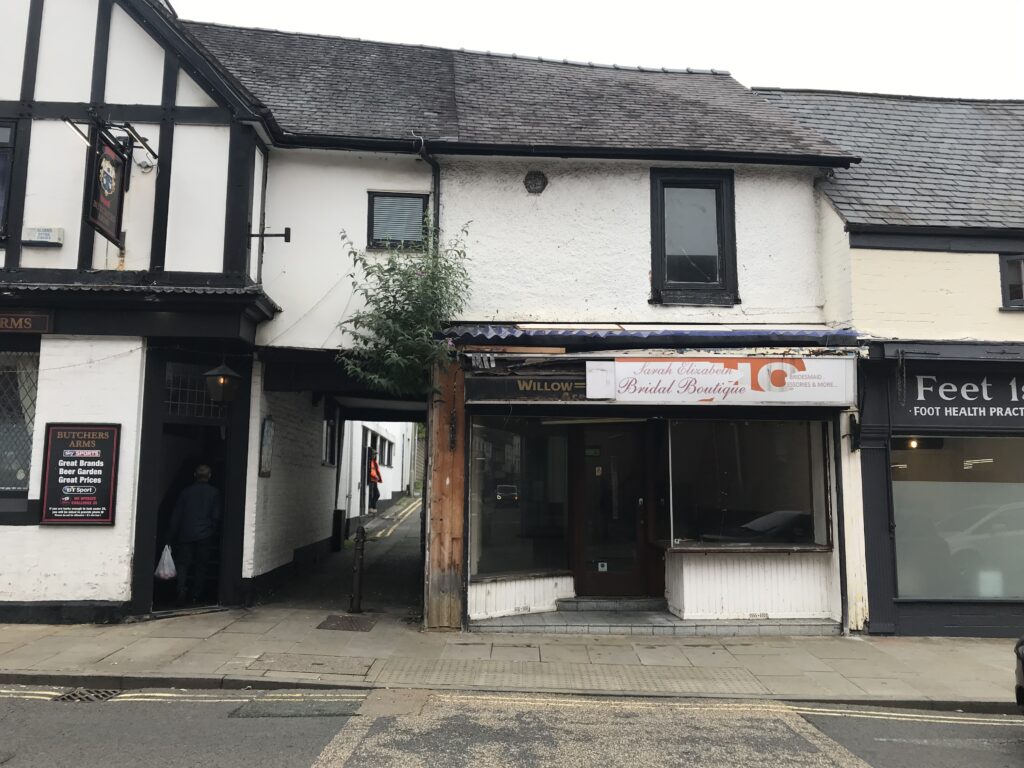
Commercial Property For Sale – Willow Street
Freehold retail opportunity on Willow Street, Oswestry. Grade II listed commercial property for sale, featuring a dual-level sales area, upper...
Read More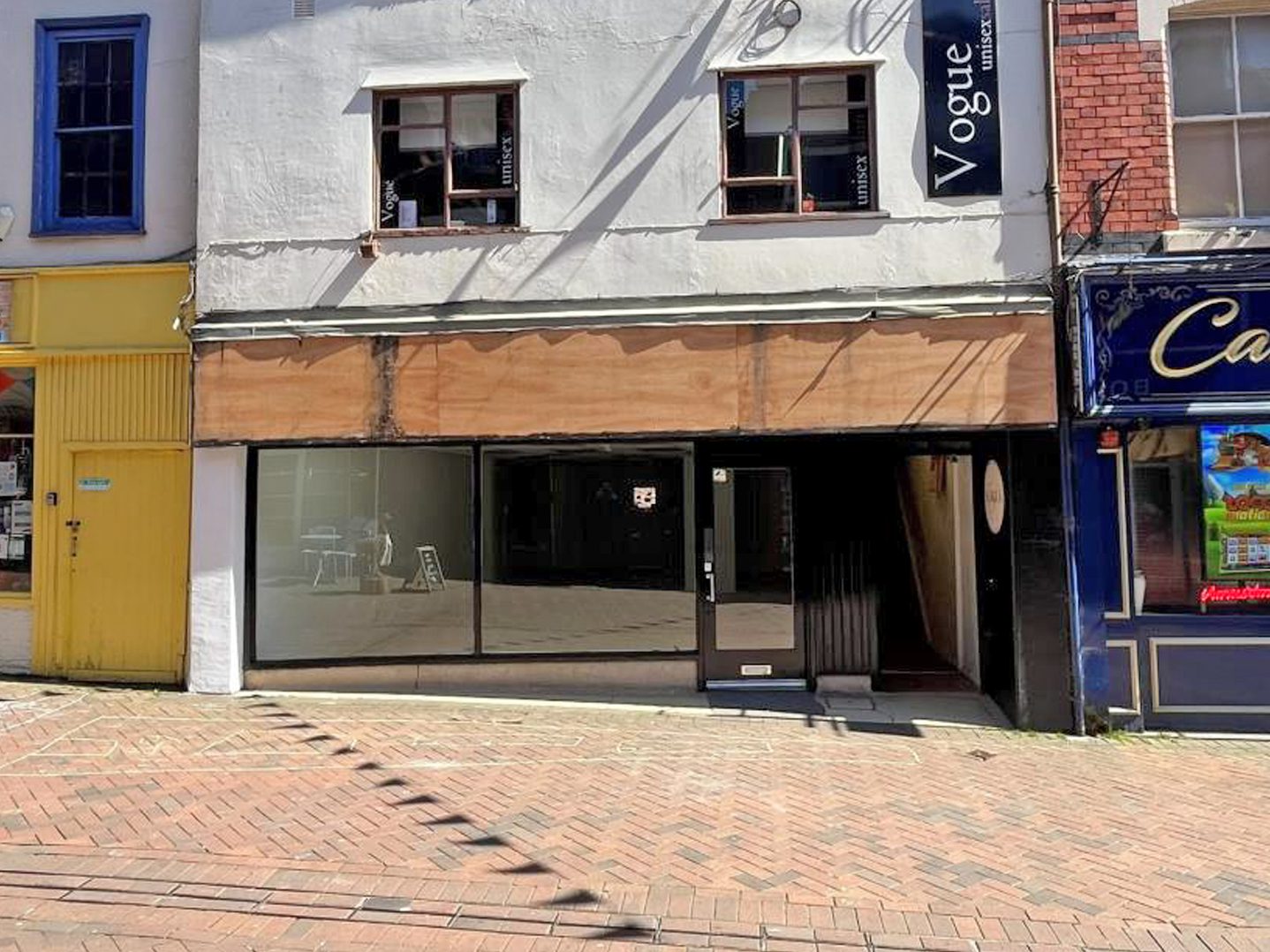
Commercial Property to Let – Bailey Street
34 Bailey Street is a spacious commercial property with a good frontage comprising a principal retail area with storage and...
Read More